
What began as a promise of progress has become a painful chapter for thousands of families living around Yacharam, Kandukur, and nearby mandals. Pharma City was showcased as Telangana’s flagship industrial project, meant to attract global attention and bring economic growth. Instead, the people who lived on this land for generations now feel unheard, displaced, and burdened by a future they did not choose. Farmers speak of lost land records, coerced acquisition, and the sudden disappearance of political support.
Their stories reflect not just the failure of a single project but a deeper sense of betrayal. For them, this is not a policy dispute but a fight to save their land, identity, and dignity.
Loss Of Trust As Promises Collapse in Hyderabad:
Farmers recall how political leaders once stood beside them during early protests, assuring that Pharma City would be cancelled and their rights protected. Those words brought relief during a difficult phase. But once power shifted, the commitments faded.
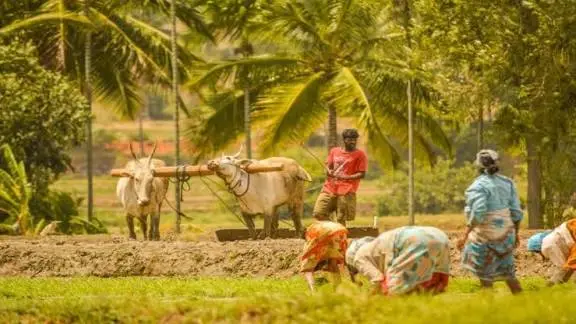
Villagers feel they were used for political mileage and forgotten once votes were secured. This emotional disappointment is deeper than standard political frustration because families depended on these reassurances to hold on to hope.
People in the affected areas share concerns such as
- Feeling misled by changing political narratives
- Shock at the silence of leaders who once supported them
- Fear that decisions are being imposed without consent
- A sense that democratic promises are losing value
This collapse of trust fuels anger and protest gatherings, where families speak openly about their pain and confusion.
Rising Demand For Cancellation And Restoration Of Rights:
During the November five roundtable meeting in Hyderabad, voices from several villages came together to demand the cancellation of the Pharma City government order.
Women farmers, civil society members, and rights groups stood united, stating that without clear action the crisis would continue to deepen. Their demand is not just administrative. It is emotional, tied to the loss of stability and dignity brought by the project.
The meeting highlighted the growing resolve among communities who believe unity is the only way to protect their future.
Their major requests include
- Cancellation of the project approval
- Restoration of missing land records
- Full access to registration services
- Legal protection for families who refused land surrender
- Transparent dialogue between government and villagers
Fear Triggered By Forced Land Acquisition:
The earlier regime acquired more than thirteen thousand acres, much of it from Dalit families who depended on small agricultural plots. Many villagers say they were pressured into giving up their land through fear, misinformation, and unexpected visits by officials. Anxiety intensified when fences appeared overnight, preventing access to fields that families had cultivated for generations.
Everyday fears among villagers include losing the only long term livelihood they possess. Unauthorised changes in land ownership documents. Inability to farm due to restricted access. Unclear compensation policies for those who resisted
Taking legal action gave momentary relief, especially when the High Court struck down several acquisition related declarations. But the uncertainty still hangs over their lives.
Political Reversals And Confusion Over Future City:
During the 2023 campaign season, leaders promised that Pharma City would be cancelled. That pledge brought hope to families battling legal and emotional stress. But after winning the elections, the same leadership presented a new concept called Future City at the same project site. In court, the government even denied cancelling the earlier plan. These contradictions left farmers confused and deeply hurt.
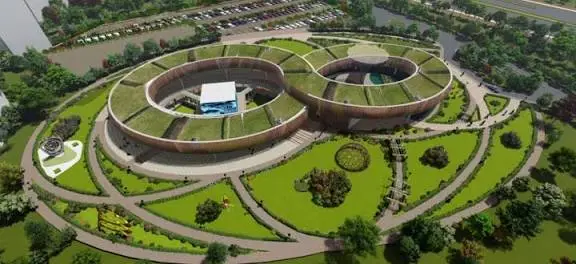
These shifts created
- Doubt about whether promises were genuine
- Anxiety about the real intentions behind the new project
- A belief that political leaders prioritize corporate interests
- A growing sense that rural voices are ignored
For farmers, this reversal feels like a betrayal that threatens their trust in democratic processes.
Struggles Due To Denial Of Welfare Schemes:
With their names removed from the Dharani portal, many families lost access to welfare schemes such as Rythu Bharosa. Without digital proof of ownership, banks refused loans, and government procurement centers declined their produce.
This pushed farmers into financial distress, especially during peak cultivation seasons. Families say they are being punished for refusing to give up their land, even though they acted within their rights.
Challenges villagers face today include
- Rejection of bank loan applications
- No access to crop related assistance
- Delays in updating land records
- Reduced income due to procurement restrictions
Police Presence And Growing Pressure On Villagers:
Despite multiple stay orders from the High Court, police are still deployed around disputed fields. Fences, surveillance, and sudden inspections have become common, creating an atmosphere of fear. Farmers say they wrote several letters to leaders who once stood by them, but no response came.
Local concerns include fear of sudden eviction. Pressure from authorities to remain silent. Physical barriers preventing agricultural work. Emotional strain caused by constant monitoring. This situation has turned everyday farming into a tense and exhausting struggle.
A Development Model That Feels Toxic And Unfair:
Environmentalists warn that certain industries expected to operate in Pharma City have histories of poor pollution control. Villagers fear contamination of their borewells, streams, and farmland. Many also complain that industries rarely hire from local communities, leading to loss of land without gainful employment.
Concerns about this development model include
- Possible discharge of untreated chemical waste
- Weak oversight by pollution authorities
- Very limited job opportunities for villagers
- Influence of industrial interests over public welfare
This model feels deeply unfair to farmers who bear the risks but see none of the benefits.
Conclusion:
Pharma City has become a symbol of broken promises, emotional distress, and ongoing uncertainty for thousands of families. What began as a project meant to boost industry now stands as a reminder of the dangers of development without consultation. Farmers who fought to protect their land find themselves battling bureaucracy, political silence, and rising fear. Their struggle reflects a larger question about whose voice matters in decisions affecting rural life. Until their rights are acknowledged and their concerns addressed, the crisis will continue to expose the gap between development plans and real human impact.
FAQs:
Farmers say the project led to forced land acquisition, missing digital land records, and fear of displacement, leaving them without security or support.
Yes. During the 2023 elections leaders publicly assured cancellation, but these promises changed after they came to power.
Villagers claim their names were removed after resisting acquisition, which affected loans, welfare schemes, and registration services.
Yes. Many fear chemical waste could pollute water sources and farmland because of weak monitoring by pollution authorities.
They demand cancellation of the project, restoration of land records, transparent communication from the government, and protection of their rights.