
The Telangana Pharma City project, initially presented as a cornerstone of economic growth and job creation, has now turned into a flashpoint of conflict between the government and the ryots of Yacharam mandal. For many villagers, this is not merely a political issue but a battle for their existence, dignity, and ancestral lands. The protests by farmers from Kurmidda, Nanaknagar, Medipally, and Thatiparthy have intensified, reflecting deep mistrust toward the ruling government.
What was once hailed as a developmental initiative now stands accused of being a betrayal of those who feed the state.
Voices of Betrayal from the Ground:
At the heart of this movement are personal stories of loss and betrayal. Panga Anasuya from Kurmidda village, once a Congress supporter, is now among the most vocal critics of the ruling party. Her 12 acres of farmland are at risk, despite promises made by political leaders who once stood beside her in protest.
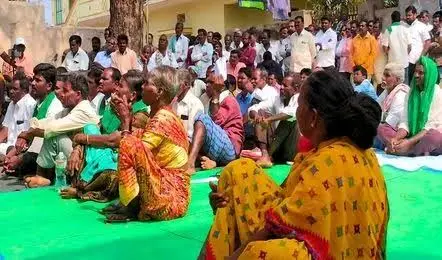
- She recalls being assured that her land would be protected by leaders who now remain silent.
- The shift from political trust to anger has turned once-loyal supporters into fierce opponents.
- Emotional appeals from farmers now center around broken promises and lost faith.
- Anasuya’s story represents the heartbreak of hundreds who feel deceived by the very government they voted into power.
Restrictions Crippling Rural Livelihoods in Hyderabad:
Life in Yacharam mandal has become increasingly difficult for farmers due to restrictions imposed on their lands. With registrations halted and cultivation discouraged, ryots are trapped in a state of uncertainty. Inability to sell crops or access agricultural markets.
Lack of compensation or clarity on relocation plans. Psychological stress due to indefinite waiting and mounting debts. These restrictions have paralyzed agricultural activity and created a humanitarian crisis in the heart of Telangana’s farmlands.
Political Promises and Public Outrage:
Before the elections, many leaders openly opposed the Pharma City project, even joining the farmers in their protests. After assuming power, however, these leaders have distanced themselves, igniting outrage among the ryots.
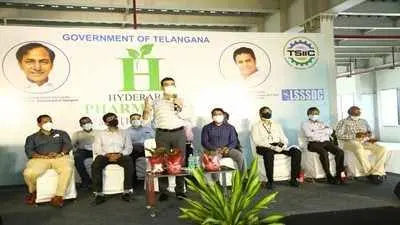
Main accusations voiced by the farmers include:
- Politicians acting as mediators for corporate interests instead of protecting public welfare.
- False assurances given to secure votes during the elections.
Negligence during recent floods, leaving farmers helpless. The sense of betrayal is palpable, and many now feel that political colors changed but exploitative policies remained the same.
Legal Action and the Fight for Justice:
When dialogue failed, farmers turned to the courts for justice.
Recent developments include:
- The formation of the ‘Movement Against Pharma City’ and Telangana People’s Joint Action Committee.
- Increasing public support from civil groups and environmental activists.
- Legal confusion over the government’s claim of cancellation versus actual land records showing otherwise.
- This legal battle has now become a symbol of the farmers’ determination to protect their rights through constitutional means.
- Several ryots secured High Court stay orders preventing land takeovers, yet reports of fencing and land demarcation continue.
Environmental and Health Concerns Rise:
Beyond the fight for land, a deeper concern looms, the environmental impact of the proposed Pharma City. Residents fear industrial pollution from bulk drug and ethanol units could destroy nearby ecosystems. Contamination of groundwater and nearby lakes.
Air pollution from chemical processing plants. Long-term health hazards to local communities. Farmers from affected regions like Patancheru and Chittanur have joined the movement, warning Yacharam villagers of what unchecked industrial pollution can bring.
Civil Movements and Collective Resistance:
Civil society organizations have joined hands with the farmers, turning the movement into a people’s struggle. The round table meeting organized in Hyderabad saw participation from activists, environmentalists, and social reformers.
This growing solidarity indicates that the protest has transcended local boundaries, becoming a statewide movement symbolizing rural resistance.
Highlights from the meeting include:
- Condemnation of government actions by multiple groups.
- Calls for transparency and justice in land dealings.
- Farmers from different districts uniting for a common cause.
Emotional Toll on Farmers and Families:
The ongoing battle has taken a severe emotional and financial toll on the ryots and their families. Many have lost their sense of security and are struggling with anxiety and uncertainty about the future.
Personal hardships faced include:
- Mounting loans and reduced income opportunities.
- Family disputes arising from uncertainty over compensation.
- Youth migration as agriculture becomes unviable.
The human cost of this struggle is as severe as its political consequences, revealing the deep pain of families caught between promises and policies.
Conclusion:
The Pharma City unrest highlights a growing discontent between rural Telangana and the political establishment. What began as an industrial vision has spiraled into a moral and social crisis. The ryots of Yacharam stand united not just to protect their land but to preserve their identity and livelihood. The government now faces a defining test to choose between corporate development and the welfare of its people.
Frequently Asked Questions:
It is a proposed industrial hub near Hyderabad aimed at housing pharmaceutical and biotechnology companies.
They claim forced acquisition, lack of compensation, and environmental threats to their villages.
Many have secured High Court stays on land takeover, but they allege that fencing continues despite orders.
The Chief Minister announced a cancellation, but official land records still show the project as active.
They demand restoration of land rights, lifting of farming restrictions, and transparent government communication.